Toddlers & Food (and sleep)

Two of the most common issues in families in the Western world are sleep and food. Not that the toddlers are having issues with either. Parents have issues with both.
Here's what's happening that is uncommon knowledge, even amongst pediatricians and dietitians. They learn this, and then promptly forget it, because it's not on the exam, and it's not really in their fields.
If you look at the growth charts, you can see where this is happening, but somehow that never gets tied together in any height / weight / percentiles conversations at the office...
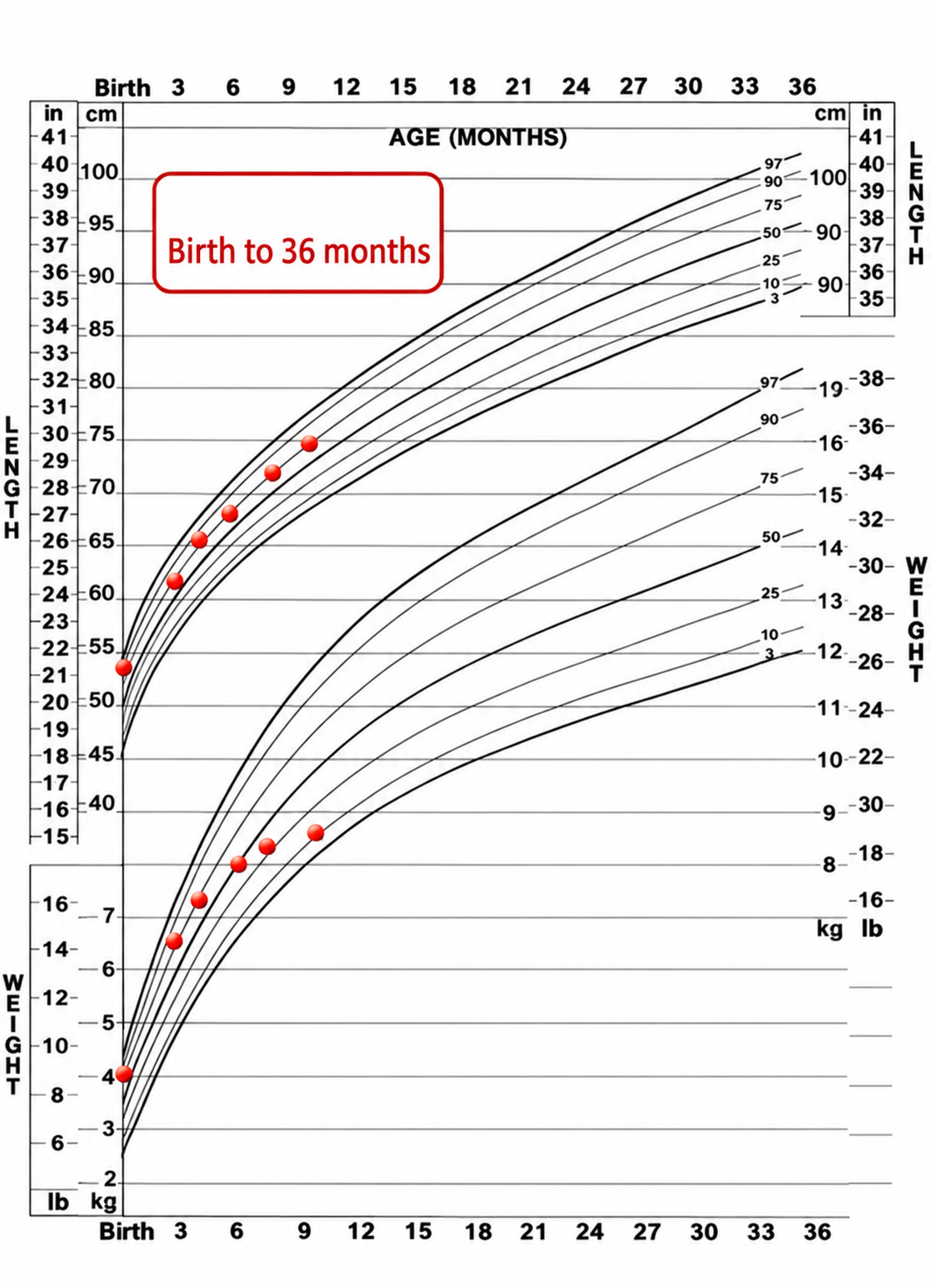
See that the gentle bend starts, after the lines are close to upright? The difference in the angle of change goes from about 20 degrees (away from vertical) to closer to 60 by 18 months... and most of the charts only go to 24 months (and start up on separate charts for 2-20 years) which means it's very difficult to see the growth break happening at the horizons. Look at this one:
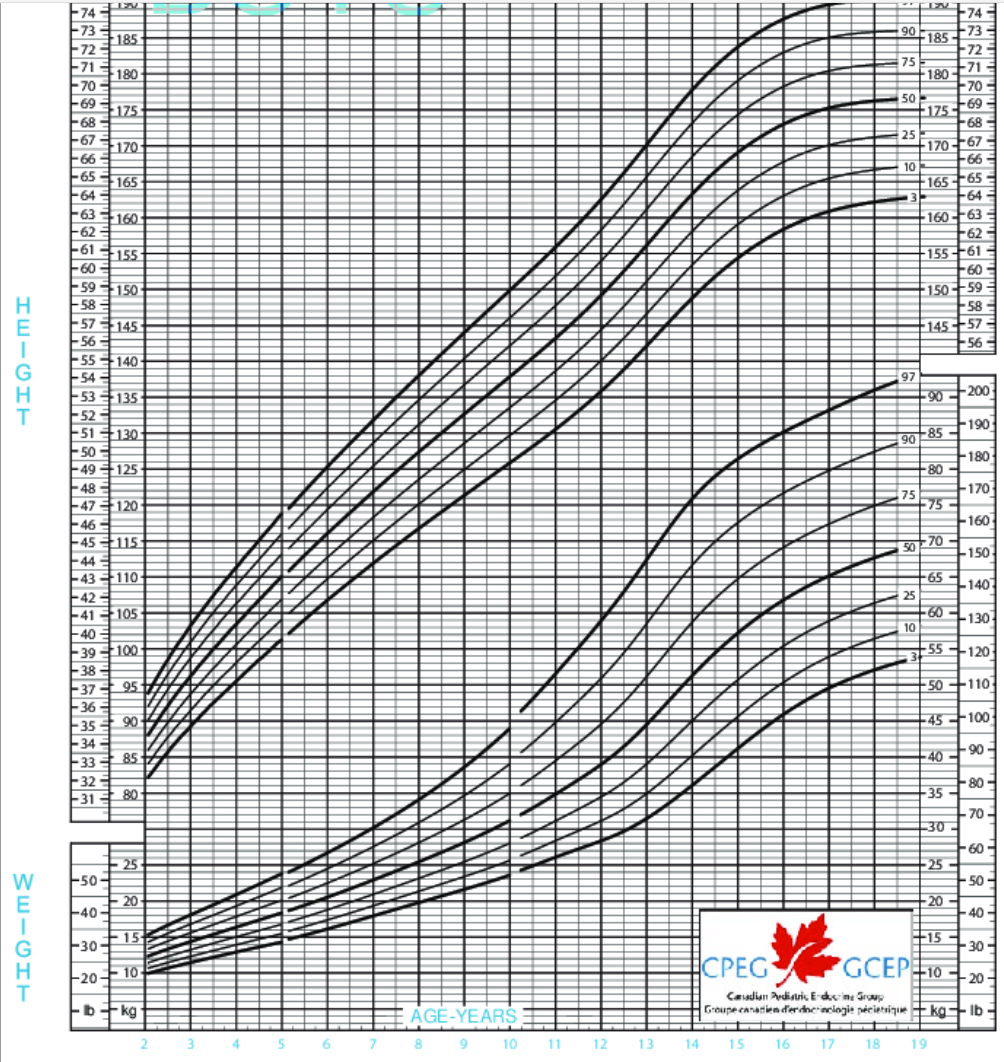
From ages two to three (well, 5, really) is nearly a flat line... only about 20 degrees from horizontal. From 20 degrees vertically to 20 degrees horizontally is 140 degrees of change, which is massive. So, this little kid goes from 8 to 21lbs (nearly triple, or, to keep it in percents, just about +300%) in about 18 months... then from 21lbs to 27 (a gain of +25%) in three years.
Kids are supposed to stop gaining weight so rapidly.
Now, it is because of the split in the charts and the change of time frame on the x-axis (yes, I had to look it up – the bottom line of the chart) that their slowing gain fails to inform things like 'is this child actually healthy' or 'should we panic the parents now?'
My Point, and I Do Have One
When kids' growth rates slow, and they still have little bodies to move around, they need a lot fewer calories.
Parallel to this, they also need a lot less sleep.
Understanding this enables gentle and respectful parents to make gentle and respectful parenting choices. Starting with: don't panic.
Don't Panic
Not only is panicking generally unhelpful, it's mis-informed. Yes, even if the pediatric nutritionist suggests it.
Panic, in professional language, looks like 'oh, dear, he's fallen to the 3rd percentile, what are you feeding him?' (Notice the 'parent guilt' built into that question?)
Remember, percentiles are averages, not pass/fail grading. 50% is not a pass, 2% is not a fail. Some kids (many, especially of fine-boned, small parents) are just little. Not broken, not ailing, not failing... just small.
It is normal for kids to change which line their growth rate is on, for kind of the same reason not all kids do all the milestones in the same order: averages are not equivalent to ideals. What is average across a large population of children raised in orphanages in the US Midwest in the 1930s has little bearing on what is ideal for this child's body, now. What is average across a remarkably small population of children around the world, on the newer WHO charts, is even less related to any one child.
Pickiness and Sleep Resistance
When we look at pickiness and sleep resistance at this age (and many other ages and stages) with an eye to understanding what is really going on, we step away from dinner table wars, and bedtime wars, both at once.
Who is it that has the most information about when a body is hungry: a chart, a medical professional, a calendar, a clock, or the person in the body?
Who wants to chew (or swallow) when they're not hungry?
What is good about putting food into a body that doesn't need the calories?
Where is it healthy to add extra fat to a diet that is already providing as many nutrients and calories as a body needs?
How is it 'better' for an infant to have more fat cells than necessary?
Who finds it relaxing and lulling to be told to go to sleep when they're not tired?
What about having a power struggle with adults provides the sense of safety necessary for small children to relax into sleep?
How does one person's unmet need for rest or sleep create any unmet sleep need in another person?
Step Back, Step Up – Go Upstream
Instead of panicking and trying to get a not-hungry child to eat, by offering lower and lower nutrient foods, step back and ask:
- what is going on right now that I don't see?
- are they genuinely hungry, or am I deciding they 'need to eat' for some other reason?
- what happens, genuinely, if I let this go – even just for this meal time?
- what are my thoughts saying to me, and how accurate are they really?
Doing the same for sleep:
- what is going on right now that I don't see?
- are they genuinely tired, or am I deciding they 'need to sleep' for some other reason?
- what happens, genuinely, if I let this go – even for just this bedtime?
- what are my thoughts saying to me, and how accurate are they really?
Then, step up to a broader view, and a longer sight line:
- if I 'win' this struggle, what will that do to our relationship?
- what kind of relationship do I want my child to have with their own body?
- if I let this go, now, what might that do to our relationship?
- if I learn to trust that their body knows best, for them, what they need right now, will they learn to trust their own body wisdom, in food, sleep and other areas of life?
- if I succeed in convincing them that I know better and that they must obey my authority, what will that set them up for as teens and adults?
Never give up what you really want, for what you want right now...