These fish aren't wet...
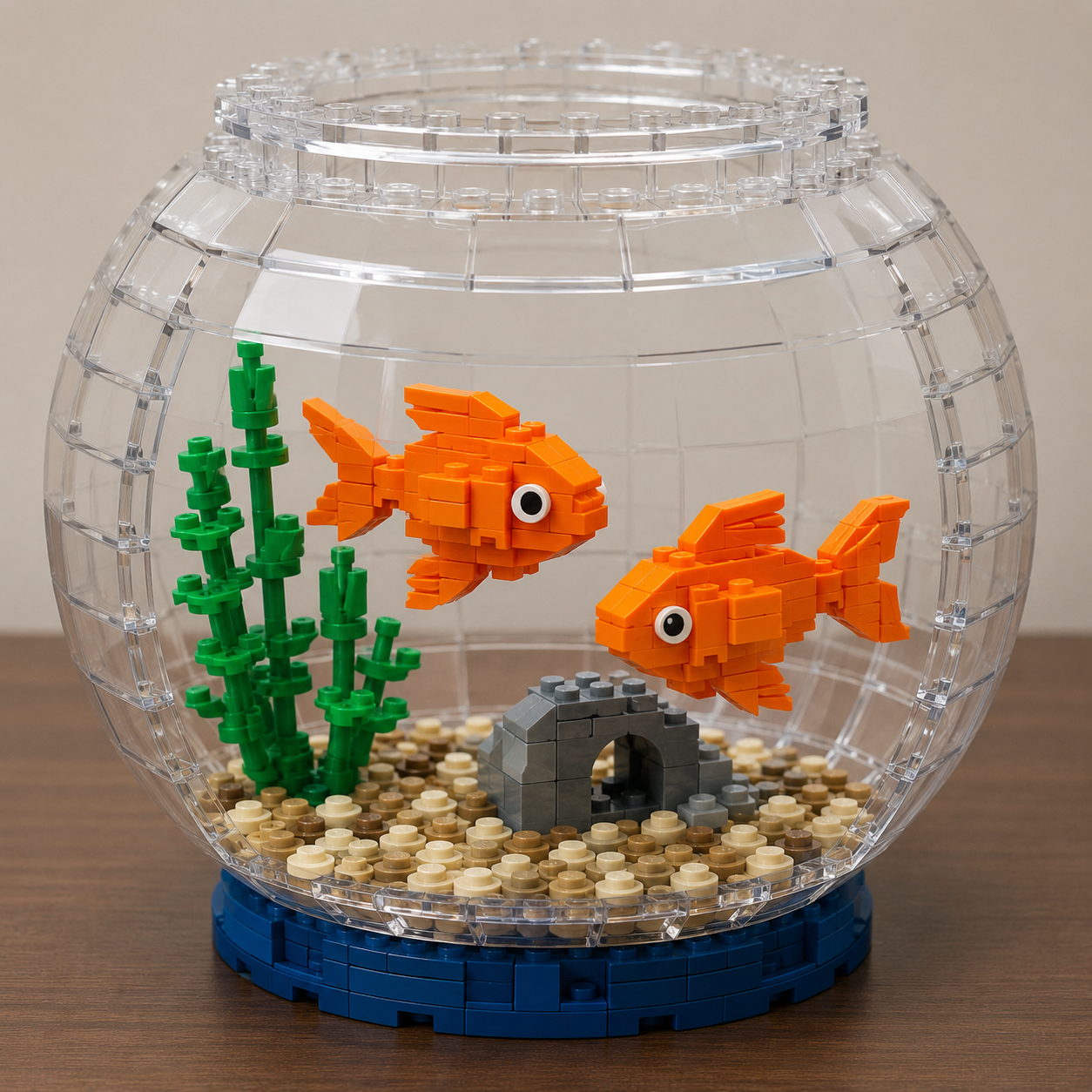
Where are you swimming in unnoticed conditions?
A fish doesn't know it's wet. Not because it's stupid, but because it's entirely surrounded by water for its entire existence (let's not talk about flying fish at this moment...)
I've been thinking about this lately, especially when I look at parenting advice. And the education system. And business leadership. And all kinds of relationships.
Well, honestly: most of modern life.
What is this environment that we spend so much time in that we're not aware of it? Ideas. Or maybe I mean cultural assumptions.
I know I mean the ideas people treat as obvious, when they aren't actually obvious at all. I suspect this is an overflow result of being that kid in the crowd: the one who looked on, and noticed, and eventually learned (mostly) to not say 'hey, the Emperor is naked!'
The ideas that feel obvious are inherited, cultural.
They're all assumptions.
We've been swimming in them our whole lives, so we rarely stop to examine them. Some examples of assumptions I hear repeated directly, and underlie a lot of the advice passed around:
- Children learn through consequences.
- Respect means obedience.
- Conflict is bad.
- Strong leaders are in control.
- Good parents are consistent.
- Independent people don't need help.
Those ideas feel true, obvious, even inevitable to many people.
Not because they've tested them. Not because they've applied any critical thinking to them (at least not since they were about 4.)
It really is because people have heard them repeated so often that they became invisible.
Like the water does, for the fish.
One of the most interesting parts of my work is helping people notice the water.
Not because every old idea passed around is totally wrong.
But because once an idea becomes an invisible assumption, we stop asking whether it's still useful, true, or if it even applies to every situation where we're applying it...
This is where people get stuck. It isn't because they're doing something wrong. It is because they're faithfully following a map they never consciously chose.
In my coaching, there is a single question that sits underneath almost everything.
It's simple.
But once you start asking it, you'll never look at behavior, conflict, learning, or relationships the same way again.
Until then:
What assumptions are you carrying that feel so obvious you've never questioned them?
Those are often the most interesting ones.